Why iMessage Works on Cruise Ship Wi-Fi Without Paying
Text-only iMessages often get through cruise Wi-Fi without a package because they ride Apple's push channel. Why photos don't, and why it's hard to block.
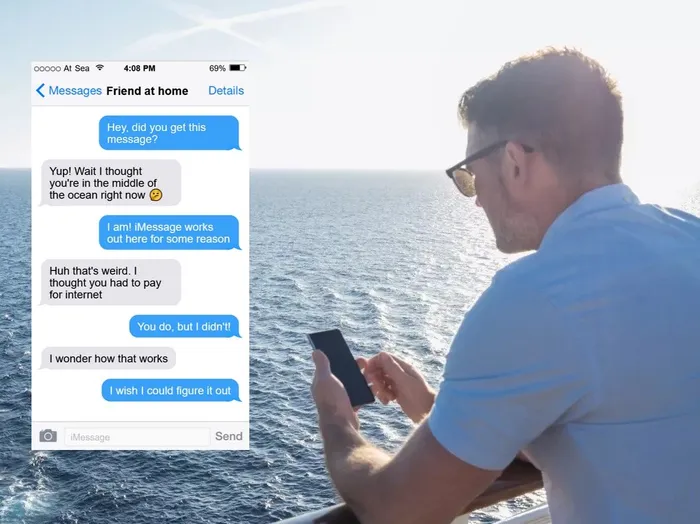
Text-only iMessages usually work on a cruise ship's free Wi-Fi, even without an internet package, and so do push notifications from random apps. The reason: the ship has to let Apple's push notification traffic through so its own app works, and iMessage text travels over that same channel. Photos and videos don't make it, because they take a different route.
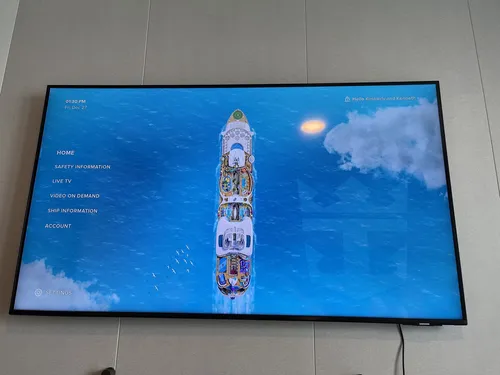
Here's the background. Cruise lines want every guest on their app, which is essential for navigating life onboard. To make that possible, they give everyone free access to a limited version of their Wi-Fi network, allowing only the servers and services the app needs. Everything else is blocked unless you pay for a full internet package or use this trick for ~nearly~ free Wi-Fi.
Why iMessage Works
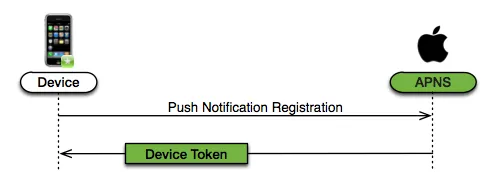
When you send a message through iMessage, your device connects to Apple's servers. For reasons we'll explore, cruise lines have chosen to allow traffic to and from these Apple servers so that their app works seamlessly.
- Push notifications come through because they use the same protocol that the cruise line app's notifications need. However, tapping a notification to open an app or website doesn't work, because that requires full internet access.
- Text-only iMessages work because they are small enough to be delivered through the same allowed push notification channel.
- Images and videos don't work because iMessage doesn't send them through the push channel at all. It uploads them to iCloud, and the ship's firewall blocks that upload.
Long Story Short
If cruise lines want push notifications on their own app, they have to allow push notifications for ALL apps, and a text iMessage looks and acts the same as a push notification.
Getting a Bit More Technical
At its core, this behavior is all about how the ship's network filters traffic. The cruise line's Wi-Fi network is designed to allow only the specific types of data their app needs, like the notification service. They achieve this by setting rules for what data can and cannot pass through the network.
-
Granular Firewall Filtering The cruise line wants to allow only the packets required for their app to work. These rules are written at the level of the TCP/IP protocols, which govern how data packets are sent and received and which ports can be used.
-
Data Packets and Ports Internet traffic is broken down into tiny chunks called packets, which travel through specific "ports," the channels data uses to communicate. For example:
- Web browsing typically uses TCP ports 80 (HTTP) and 443 (HTTPS). (source)
- Apple devices use TCP port 5223 to communicate with the Apple Push Notification service (APNs). (source)
- The APNs connection is a persistent, two-way TCP connection, so you can't block outgoing messages without breaking the protocol. (source)
-
APNs Server IPs Apple's APNs servers use load balancing, so devices don't always connect to the same public IP address for the notification service. That's why Apple tells network administrators to allow access on the entire 17.0.0.0/8 address block, which is assigned to Apple. (source)
-
Why iMessage Slips Through iMessage is delivered through APNs. According to Apple's Platform Security guide, each encrypted message is "dispatched to the APNs for delivery." Since cruise lines cannot block APNs without disrupting the push notifications their own app depends on, iMessage texts slip through too.
-
Why Photos and Videos Don't The same Apple guide explains that APNs can only relay messages up to 4 or 16 KB, depending on the iOS version. Anything larger, like a photo or video, is encrypted and uploaded to iCloud, and only a small pointer to it is sent through APNs. That iCloud upload is ordinary internet traffic, which the free ship network blocks.
-
Apple Requires App Notifications to Go Through Apple You might be thinking, "why doesn't the app just send notifications without involving Apple?" The reason is simple: on iPhone, apps send push notifications through Apple's servers. That gives Apple full control and insight into what, when, and how many notifications each app sends.
Why Cruise Lines Allow This Traffic (Maybe Accidentally)
Cruise lines likely didn't intend to let iMessage work without payment, but here's why it happens:
- They need communication for their own app to be reliable. The same rules that let their app send and receive push notifications from Apple's servers also happen to carry iMessage's encrypted text messages.
- Blocking all Apple services would disrupt important app functionality and notifications.
- Since iPhone app notifications have to go through APNs, cruise lines can't selectively block these packets without affecting their own app. From the network's side, an app notification and an iMessage packet look the same!
The result? You get partial connectivity, like iMessage texts, without paying. Amazing.
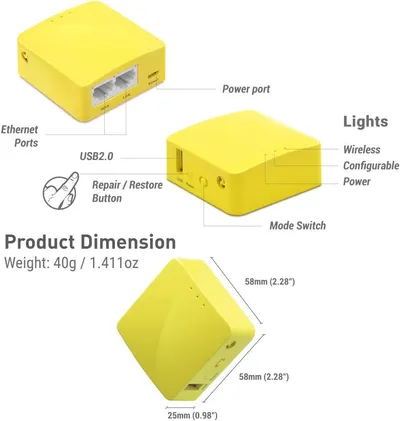
If you want full Wi-Fi without paying full price, there's another option worth exploring. I explain how to use a $30 portable travel router (Amazon) to share a single Wi-Fi package among multiple devices, potentially saving hundreds of dollars: How to Save on Cruise Ship Wi-Fi with a Travel Router.
GL.iNet GL-MT300N-V2 ("Mango") Travel Router
Can Cruise Lines Fix This?
In theory, cruise lines could fine-tune their network rules to block iMessage specifically. However, doing so would require much more sophisticated filtering and could cause unintended disruptions, especially to their own app's notifications. For now, the limited access seems to be an accidental byproduct of making sure their app works as intended. Because it isn't an official feature, though, it can change on any ship at any time.
What About Carnival?
A lot of people land here searching for Carnival. I've only tested this on Royal Caribbean, so I can't tell you whether text-only iMessages slip through Carnival's free Wi-Fi the same way.
Here's what Carnival itself publishes, as of September 2026: its cheapest plan, the Social Wi-Fi Plan, starts at $20.40 per person per day when bought before the cruise. It covers apps like Facebook, Instagram, WhatsApp, Snapchat, TikTok and X, and excludes email, video and music streaming, Wi-Fi calling and FaceTime. Carnival's description doesn't mention iMessage either way, so if keeping in touch is the goal, WhatsApp is the messaging app that plan explicitly covers.
If you try the free iMessage trick on a Carnival ship, tell me whether it worked and I'll add it here.
The Bottom Line
The quirky behavior of cruise ship Wi-Fi comes from how carefully the ship controls data traffic. The goal is free access to the cruise line's app and nothing else. But the same rules that make the app work also let some communication, like iMessage texts, slip through.
This isn't a loophole for free internet (yet!), but it's a neat little perk that keeps you minimally connected at sea. Just don't expect to stream Netflix or send selfies without paying for the full Wi-Fi package!
Frequently asked questions
- Can you use iMessage on a cruise ship without buying Wi-Fi?
- Often, yes, for text only. Because the ship's free network has to allow Apple push notifications for the cruise line's own app, text iMessages that travel the same way usually get through. It isn't an official feature, so it can stop working on any ship at any time.
- Why won't iMessage send photos on cruise ship Wi-Fi?
- Apple's push service only relays messages up to 4 or 16 KB, depending on the iOS version. Anything bigger, like a photo or video, is encrypted and uploaded to iCloud, and only a small pointer to it goes through push. The ship's free Wi-Fi blocks that upload.
- What port does iMessage use?
- iMessage is delivered through Apple Push Notification service, which devices reach on TCP port 5223. Apple tells network administrators to allow Apple's entire 17.0.0.0/8 address block for it.
- Can cruise lines block iMessage on their free Wi-Fi?
- Not without also breaking push notifications for their own app, because on the network a notification and a text iMessage look the same. Doing it selectively would take much more sophisticated filtering.
- Does iMessage work on Carnival's Social Wi-Fi plan?
- Carnival's own description of its Social plan ($20.40 per person per day if bought before the cruise) lists apps like WhatsApp, Facebook and Instagram but doesn't mention iMessage, and I've only tested the free iMessage trick on Royal Caribbean. WhatsApp is the messaging app that plan explicitly covers.