Utility Grade Ribeye: Is Cheap USDA Utility Beef Worth It?
USDA Utility grade ribeye at $7.19/lb is safe to eat, but mine smelled of sulfur and made poor steaks. What Utility grade means and better ways to use it.
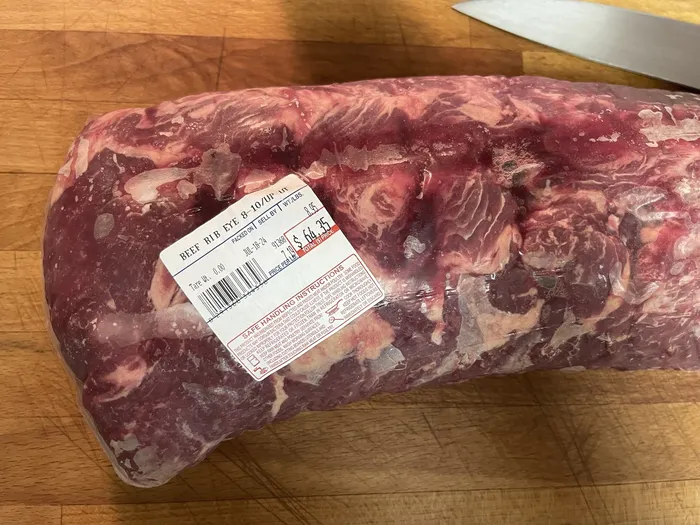
Utility grade ribeye isn't worth it for steaks. I bought a whole roll for $7.19 a pound and it had a sulfur smell that never went away and flavors I didn't enjoy, even cooked sous vide. It's fine for cheesesteaks, stir-fry, jerky or chili, but if you want steak, pay a few dollars more for Choice.
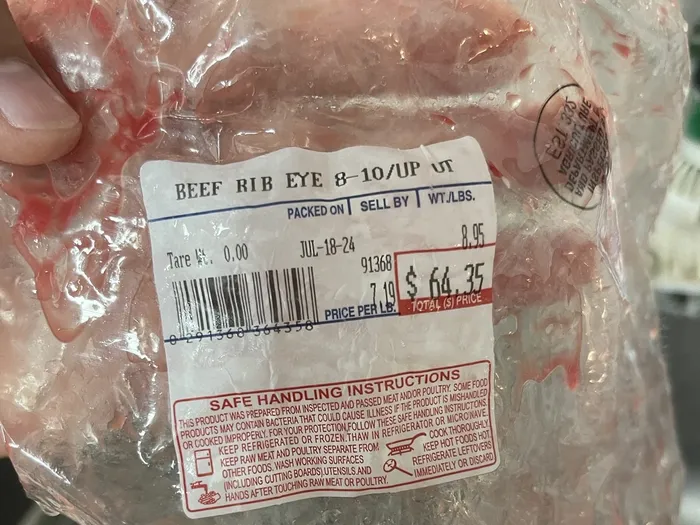
That $7.19 a pound is what stopped me at the meat case in Metro Chef, a restaurant supply store with wholesale-level prices and no membership required. The catch, printed right on the label, was "Utility" grade, a designation I'd never seen sold as a whole cut before. The roll weighed just under 9 pounds and cost me $64.35. For science (and the promise of cheap steaks), I bought it. Spoiler: it didn't go as planned.
What Is Utility Grade Beef?
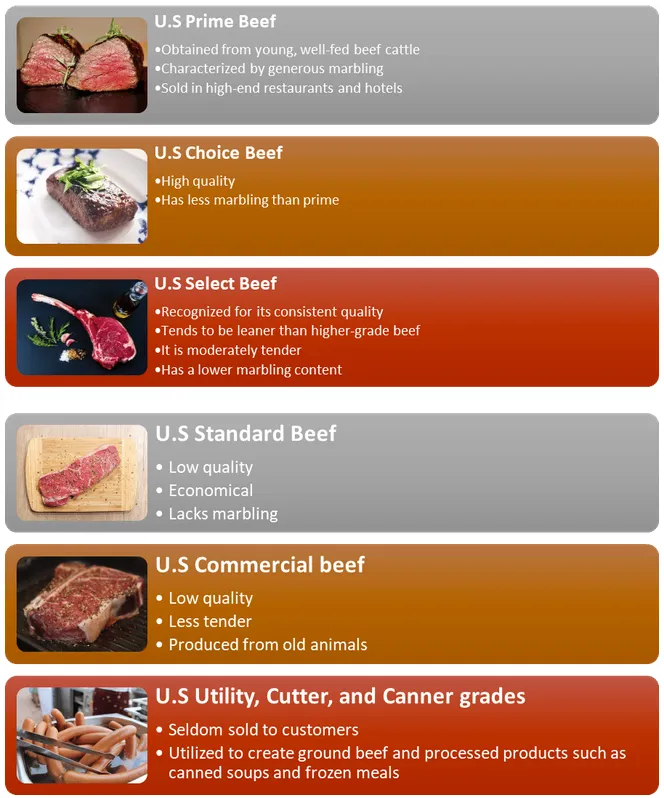
Utility is one of the lower USDA beef quality grades. It comes from older cattle and lacks the marbling of higher grades like Select, Choice or Prime. Utility beef is normally used for processed products like ground beef or canned meat, so it's rare to find it sold as whole cuts. That's what piqued my curiosity. Could this be a hidden gem for thrifty steak lovers?
Is Utility Grade Beef Safe?
Grading and safety are two different things. A USDA quality grade is a voluntary rating of eating quality (marbling and the animal's age), while inspection for wholesomeness applies to the beef no matter what grade it gets. So Utility beef in a store isn't unsafe because of its grade. It's just a lot less enjoyable to eat, as I found out.
The Ribeye Roll Experiment
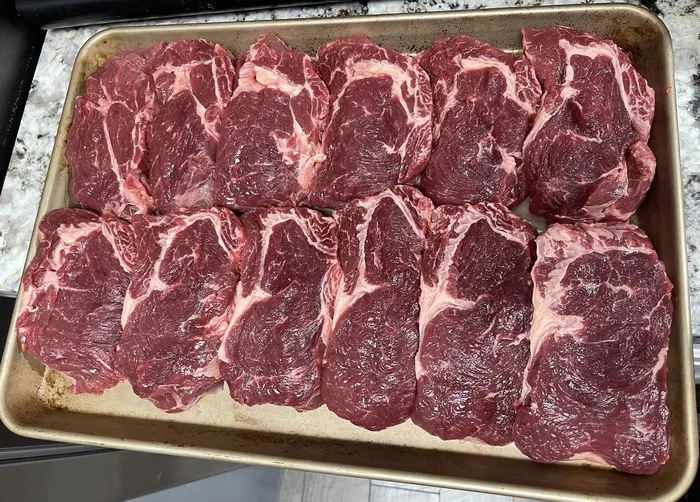
When I opened the packaging at home, I was hit with an overwhelming sulfur smell. Not subtle: it hit like a freight train. I'd dealt with off-putting smells in vacuum-packed meat before, so I figured it would dissipate. I sliced the roll into 14 thinner steaks, seasoned them with salt and pepper, and left them to "air out" in the fridge. Unfortunately, the smell persisted.
Why Did It Smell Like Sulfur?
From some research, sulfur smells in beef usually come from a few causes:
- Aging: Improper or extended wet aging can produce sulfurous compounds in the meat juices.
- Packaging: Vacuum-sealed meat can trap gases from bacterial activity, creating off odors. Normally this fades after exposure to air. Mine didn't.
- Quality of the meat: Utility beef comes from older cattle, which may contribute to off smells and flavors.
How Utility Grade Ribeye Cooked
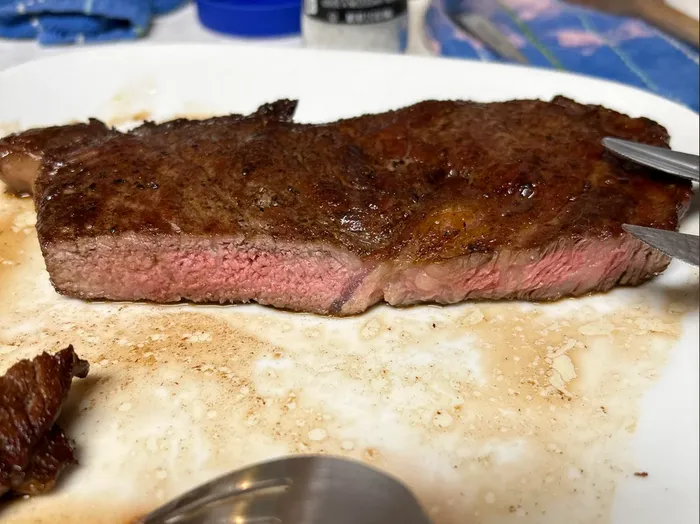
Despite the smell, I pressed on. I vacuum-sealed the steaks in pairs for sous vide. For the first test, I cooked a pair at 128°F (medium-rare) for two hours, then seared them with a propane torch. The result? Edible, but far from enjoyable. The sulfur taste lingered faintly, along with other odd flavors that just didn't sit well with me.
Better Ways to Use Utility Grade Beef
All is not lost with Utility beef. It's just not ideal as a standalone steak. If you've already bought some, these uses hide its flaws:
- Philly cheesesteaks: Slice it thin and pile on grilled onions, melted cheese and a hoagie roll. Heavy seasoning masks the odd flavors.
- Carne asada: Marinate the steaks for several hours or overnight in citrus juice, garlic, cumin and chili powder, then use it for tacos, fajitas or burritos.
- Beef jerky: Slice it thin and dry it with a spicy or sweet marinade. The drying and seasoning neutralize off flavors.
- Stir-fry: Cut it into strips and use a strong sauce (soy sauce, garlic, ginger, sesame oil). The imperfections disappear among the vegetables and noodles.
- Chili or stew: A few hours in a slow cooker or Instant Pot makes it tender and buries any off tastes under spices, beans and tomatoes.
- Ground beef: If the steaks are too tough or off-flavored, grind them for burgers, tacos or meatballs.
If you're set on eating it as steak, sous vide helps with tenderness, but be prepared for the strong, distinct flavors to stick around. Any of the options above beats being stuck with 14 subpar steaks.
Lessons Learned
- Quality over quantity: $7.19 a pound seemed like a steal, but the quality didn't justify it. I would much rather have paid a few dollars more for Choice.
- Utility grade isn't for steaks: It belongs in processed or heavily seasoned dishes where its shortcomings are masked.
- Smell is a red flag: If meat has an off smell that doesn't fade after airing out, proceed with caution. It may not be unsafe, but it may not be enjoyable either.
- Experiments are still worth it: It wasn't the discovery I hoped for, but I learned a lot about USDA grades and what to avoid.
Would I Recommend Utility Grade Ribeye?
In short, no. Maybe I got a bad batch, but the overpowering sulfur smell and lackluster taste made it hard to enjoy, and at $7.19 a pound it wasn't worth the savings. If you're buying steaks, stick with Select or Choice at the very least. Sometimes paying a little extra makes all the difference.
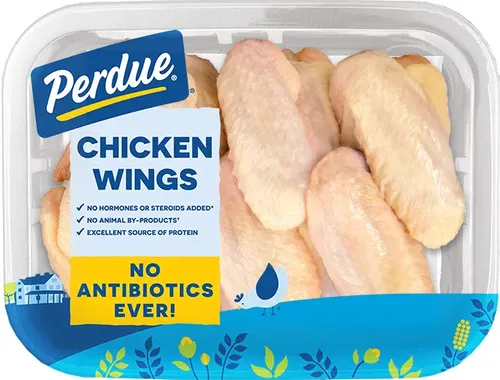
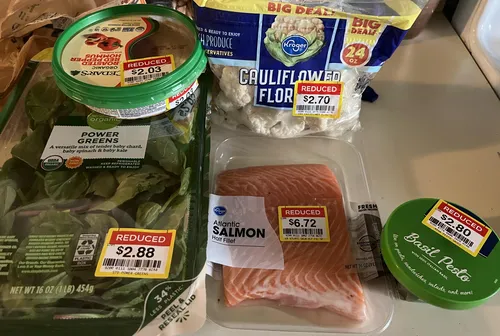
If you want cheaper meat that's actually good, the markdown cooler is a better bet: here's how I find deals in the Kroger clearance and reduced sections. And before you trust any price per pound, see what I found when I weighed a pack of Perdue chicken wings.
Frequently asked questions
- What is Utility grade beef?
- Utility is a low USDA quality grade, below Prime, Choice, Select, Standard and Commercial. It comes from older cattle with very little marbling and is usually turned into ground beef or processed products, which is why it's rare to see it sold as a ribeye.
- Is Utility grade beef safe to eat?
- A USDA quality grade describes eating quality, not safety. Beef sold in stores has to pass USDA inspection regardless of grade. Mine was edible, just unpleasant, and an off smell that doesn't fade after airing out is still a reason for caution.
- Why does vacuum-packed beef smell like sulfur?
- Wet aging and vacuum packaging can trap sulfur compounds and gases, and the smell normally fades once the meat is exposed to air. With my Utility ribeye it never went away, even after the cut steaks aired out in the fridge.
- What is Utility grade ribeye good for?
- Dishes that slice it thin, marinate it or cook it low and slow: Philly cheesesteaks, carne asada, stir-fry, beef jerky, chili or stew, or ground beef for burgers.