Moldy Cheese at a Hotel Breakfast: How to Report It
I found an inch of mold in a Fairfield by Marriott breakfast cheese bin. How I reported it to the hotel and health department, and what inspectors found.
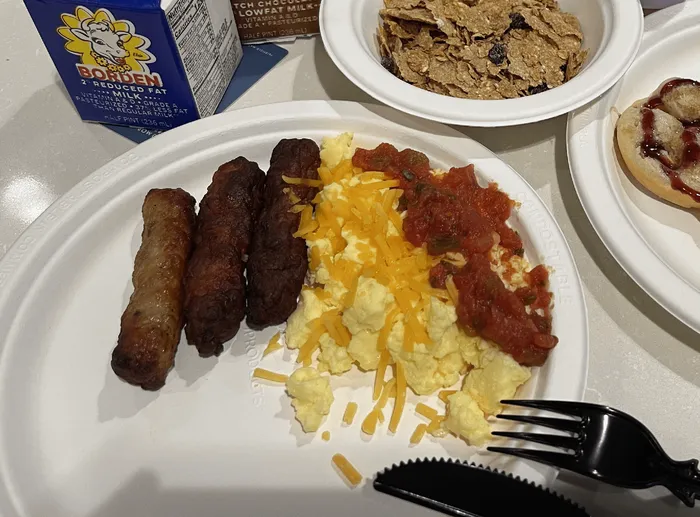
If you find moldy food at a hotel or restaurant, report it to the business first, then to the local health department. I did both after finding an entire inch of moldy cheese buried at the bottom of the shredded cheese bin at a hotel breakfast bar. Not a fleck, not a corner: an inch of solid mold, hidden under a fresh layer someone had scooped on top. The general manager personally came in to deep-clean the kitchen, and a health inspector showed up within hours.
Here's what happened, how I reported it, and how you can do the same.
What I Found at the Breakfast Bar
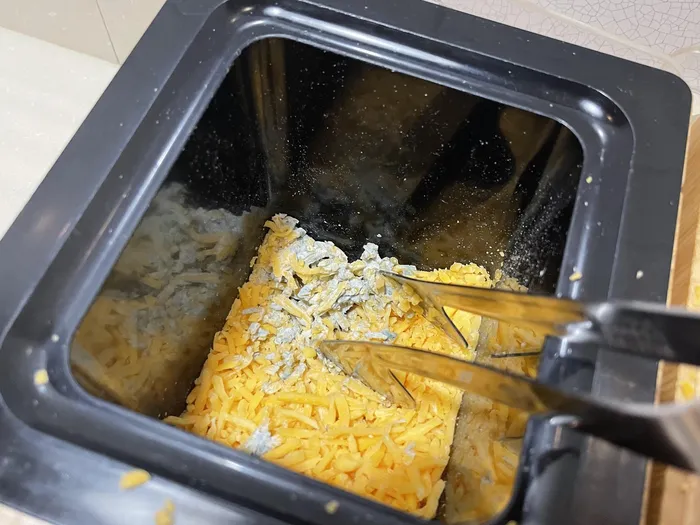
I was staying at a Fairfield by Marriott in Pigeon Forge, TN, enjoying the free breakfast. I'd scooped a little shredded cheese onto my plate when I noticed a tiny speck of mold. Curious, I dug a little deeper. What I uncovered was beyond disgusting: an entire section of cheese was covered in mold, and when I pulled it apart, a cloud of mold spores puffed into the air.
The photo is at the bottom of this page. WARNING, it is GROSS. You have been warned.
This wasn't a small spot. It had to have been there for at least a week. The moldy section was buried deep in the container, hidden from view. It was a classic failure of "FIFO" (First In, First Out): instead of using the older stock first, someone kept piling fresh cheese on top, leaving the old cheese at the bottom to spoil unnoticed.
And for the record, you can't just scoop around it. The USDA says shredded, sliced or crumbled cheese with mold should be thrown out entirely.
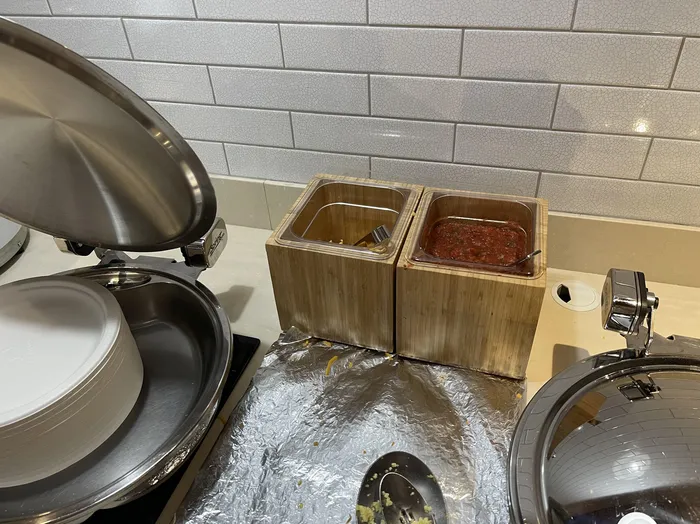
Here's what the bin looked like AFTER they changed out the cheese:
How to Report a Food Safety Problem
1. Tell the hotel or restaurant management
The first thing I did was report it to the hotel directly. I used their complaint form and described what I found and why it was a health hazard. To my surprise, the general manager responded immediately and was genuinely concerned. She said she'd handle it personally, and she did: she drove four hours to the hotel to deal with the problem, clean the kitchen and make sure everything was properly sanitized.
2. Report it to the health department
I didn't stop there. I also emailed the details to the Tennessee Department of Health and the county health department. These agencies enforce the health code in hotels and restaurants, and a complaint is how they find out about problems between routine inspections.
As of September 2026, the Tennessee Department of Health's Environmental Health program takes complaints that don't involve illness through an online form, by phone at (615) 741-7206, or by email at [email protected]. It has a separate survey if you think food made you sick. Davidson, Hamilton, Knox, Madison and Shelby counties run their own food programs, so complaints there go to the county health department. Outside Tennessee, search for your state or county health department's "food complaint" page.
When you report, include:
- The business name and address
- The date and time
- Exactly what you found, and where
- Photos, if you have them
3. Expect a faster response than you think
I assumed an inspection would take weeks to schedule. Instead, the health department sent an inspector within hours. The hotel passed with a 96, which is a very respectable score. Despite the mishap, it was reassuring that the hotel acted immediately and everything was cleaned up for future guests.
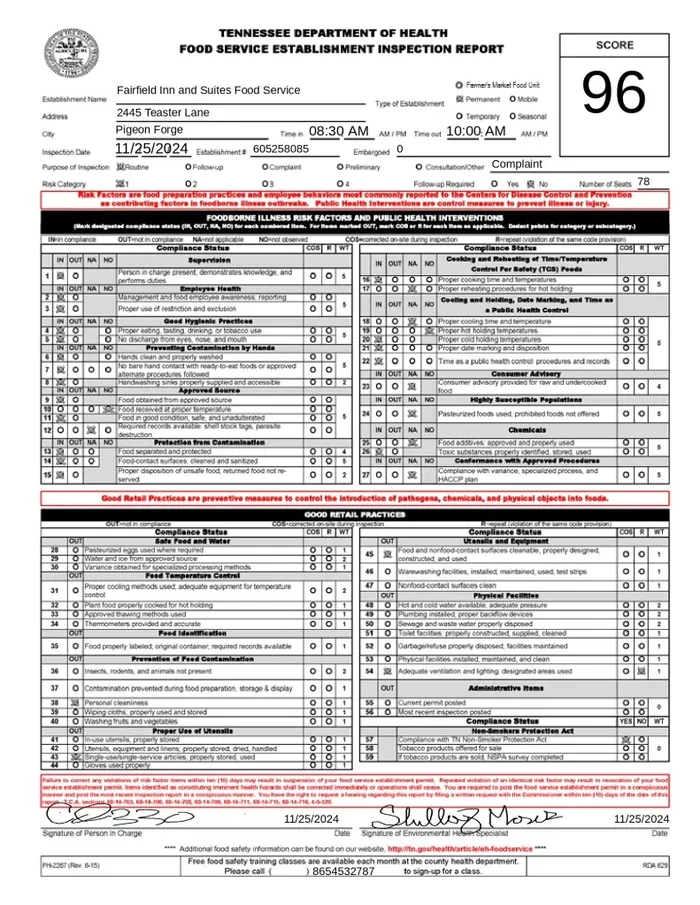
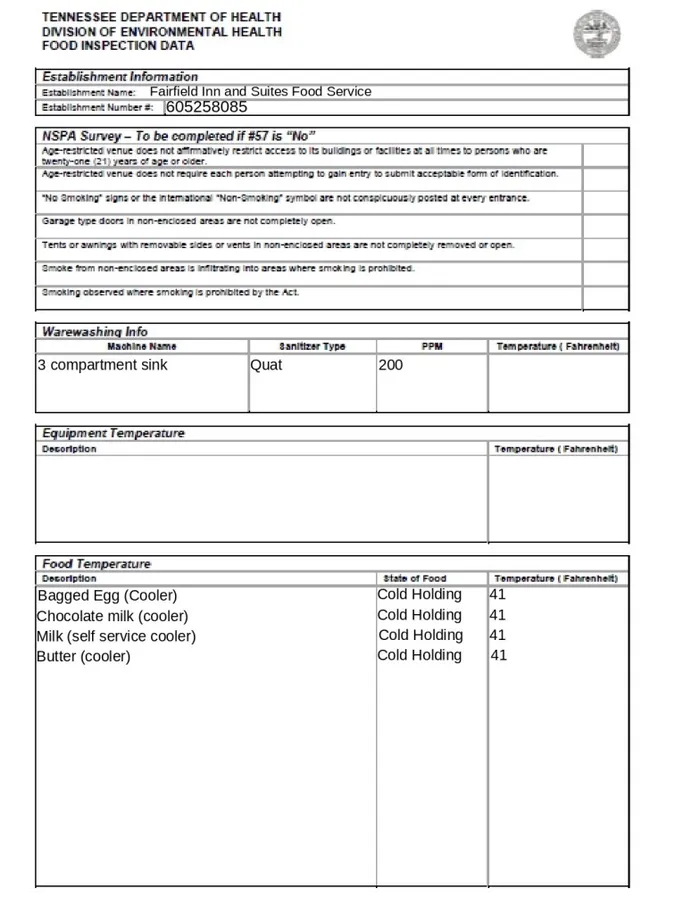
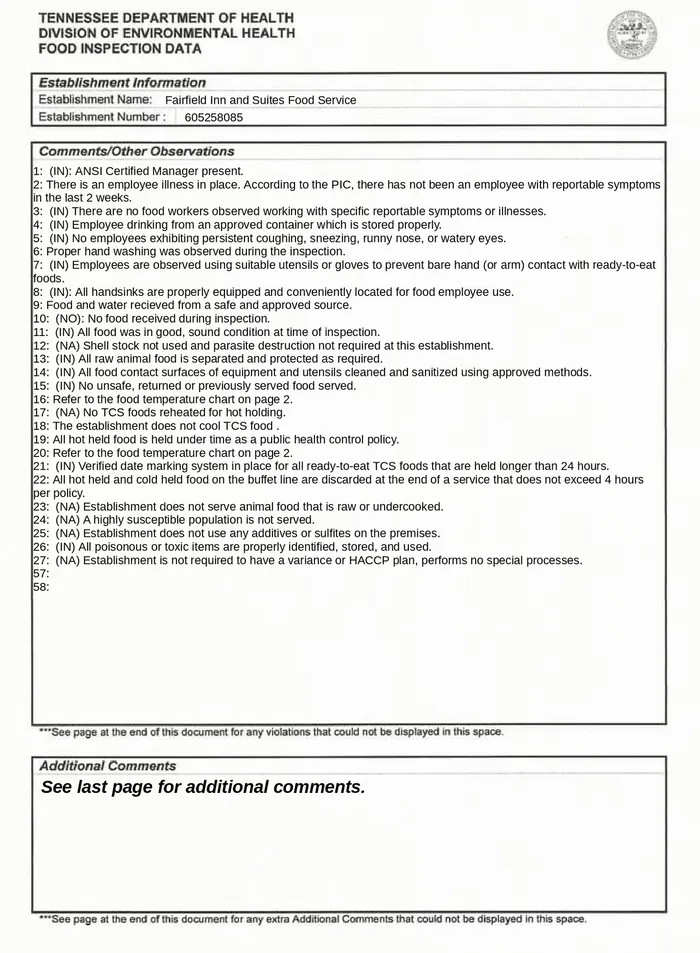
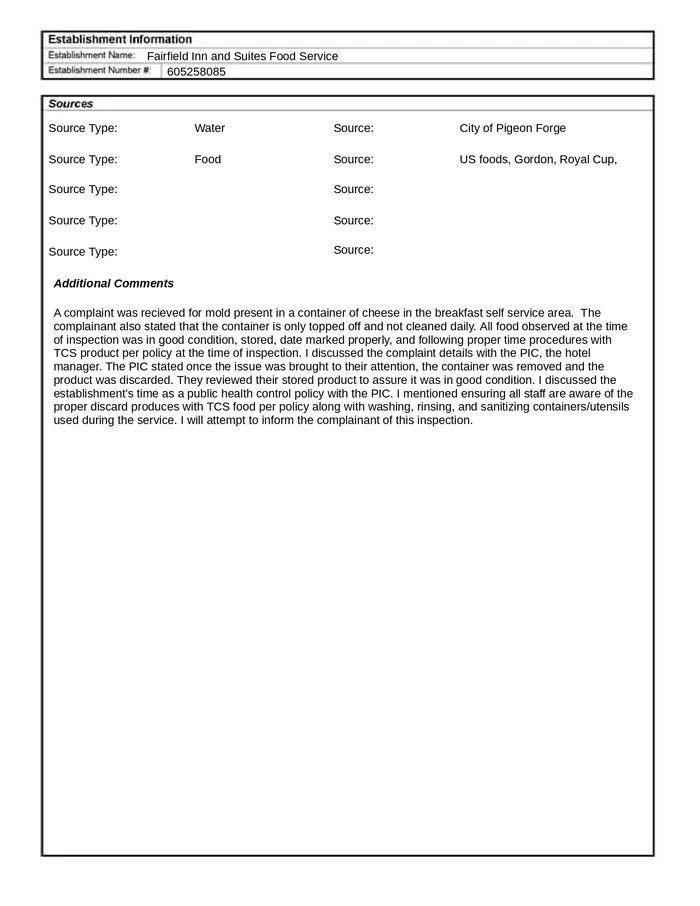
(Source: TN Dept. of Health inspection report)
Why Reporting Food Safety Issues Matters
Reporting can feel like a hassle, but it matters for a few reasons:
- Public health: Moldy food can make people sick, especially people with allergies or weakened immune systems. Reporting it protects the next guest.
- Better standards: Businesses rely on complaints to find gaps. My report got a kitchen deep-cleaned and, hopefully, a FIFO habit fixed.
- It's the law: Hotels and restaurants are legally required to meet food safety and hygiene standards. Reports are how those standards get enforced.
Speaking of food that isn't what it seems, I also weighed a pack of Perdue chicken wings to see how much of the label weight was actually chicken.
WARNING: Moldy Cheese Below
I wasn't kidding earlier. Scroll past this line only if you're sure you want to see it.
Frequently asked questions
- Who do I report moldy food at a Tennessee hotel or restaurant to?
- The Tennessee Department of Health's Environmental Health program takes non-illness food complaints through an online form, by phone at (615) 741-7206, or by email at [email protected]. Davidson, Hamilton, Knox, Madison and Shelby counties run their own programs, so contact the county health department there.
- Do health departments actually respond to food complaints?
- Mine did, fast. I emailed the state and county health departments, and an inspector visited the hotel within hours. The report is public, and the hotel scored a 96.
- Is moldy shredded cheese safe if you scoop around the mold?
- No. USDA guidance is to throw out any shredded, sliced or crumbled cheese with mold, because the mold can spread below the surface and the cutting process spreads it. Only hard block cheese can be saved by cutting at least an inch around the spot.
- What should I include when I report a food safety problem?
- The business name and address, the date and time, exactly what you found, and photos. I sent the hotel a written complaint through its form and emailed the same details to the health departments.